Address
No.99 Kenhui 8th Road,Xiaoshan Economic &Technological DevelopmentZone, Hangzhou, Zhejiang,
China
Address
No.99 Kenhui 8th Road,Xiaoshan Economic &Technological DevelopmentZone, Hangzhou, Zhejiang,
China

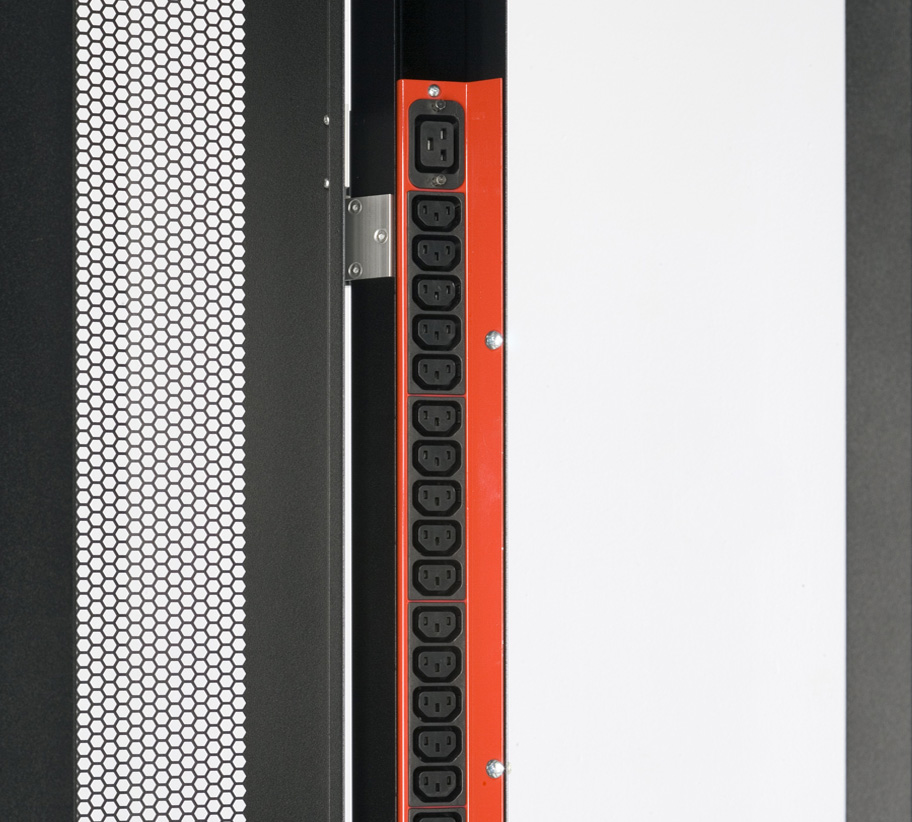
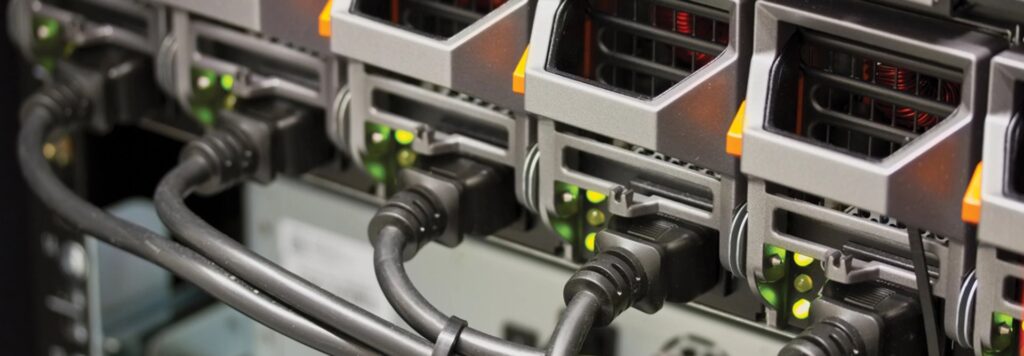
In rack-level power distribution, the basic role of a power distribution unit is straightforward: deliver electricity from upstream systems to IT equipment. As data centers scale and rack densities increase, visibility and control over that distribution become more relevant. This is where intelligent PDUs are introduced.
An intelligent PDU does not change the electrical path itself. Instead, it adds a layer of measurement, communication, and in some cases control, allowing operators to understand how power is used at a more granular level. In larger or more dynamic environments, this additional layer can influence how racks are deployed and managed over time.
The term “intelligent PDU” generally refers to a unit that includes embedded electronics for data collection and network communication. Unlike dumb PDUs, which operate passively, intelligent models provide real-time information about electrical conditions within the rack.
This typically includes parameters such as current, voltage, and total power consumption. Depending on the design, the level of detail may vary from whole-unit measurements to outlet-level visibility.
The definition is not tied to a single feature. Instead, it reflects a combination of monitoring capability, network integration, and, in some cases, limited control functions. Different vendors implement these features differently, so the classification is somewhat functional rather than strictly standardized.
Intelligent PDUs are usually categorized based on the level of visibility and control they provide.
Inlet Metered PDU: This system helps users to determine power usage and available capacity of circuits, thereby making it easier to provision equipment. Metering at inlet-level allows users to avoid overloading the circuits and also to calculate efficiency metrics like power usage effectiveness (PUE).
Outlet Metered PDU: Metering at the outlet level helps users to determine levels of power usage and availability capacity at the rack, thereby facilitating provisioning. However, a more specific function of such a model is to help users understand the actual power consumption at device or server level and thus allowing for comparisons of efficiencies. This allows the data center to allocate costs to specific units, thereby utilizing resources effectively.
Switched PDU: This type of power distribution unit offers the services of a metered inlet PDU, along with a control over individual or group of outlets. Therefore, with a switched PDU, an authorized user can power devices remotely and in a specific order. It also allows them to delay power sequence so that there is no inrush of power, thereby increasing the lifespan of the devices. Such a model is crucial in a remote deployment as they allow one to restore services by rebooting servers. It can also help to save power by allowing the user to switch off devices that are currently not in use.
Switched PDU with Outlet Metering: This type of model, as the name suggests allows all the capabilities of switched PDUs, including authorized operation from a remote location, in addition to outlet metering.
These categories are not always strictly separated. Some products combine features across multiple levels, which can make classification less clear in practice.
Despite differences in design and functionality among manufacturers, most intelligent PDUs (Power Distribution Units) share several fundamental features.
First and foremost, network connectivity is a core capability, enabling remote access through standard communication protocols. This allows operations personnel to monitor power data in real time without the need for on-site manual readings. Additionally, these units typically include built-in power measurement functions, continuously tracking parameters such as current, voltage, and power, providing uninterrupted data feedback rather than periodic sampling as in traditional setups.
Many intelligent PDUs also support environmental sensor integration, such as temperature and humidity sensors, enabling correlation analysis between power usage and cabinet environmental conditions. This insight helps optimize thermal management strategies in data centers. Structurally, intelligent PDUs generally adhere to standard rack designs and can be installed either vertically or horizontally, depending on application requirements, facilitating deployment across different types of racks.
Another key feature is compatibility with centralized monitoring platforms. In large data center environments, intelligent PDUs are rarely used in isolation—their true value lies in the centralized management and analysis of data from multiple devices. By aggregating and comparing data across cabinets or server room zones, operations teams gain a comprehensive view of power usage, ultimately enhancing overall energy efficiency and management effectiveness.
When selecting an intelligent PDU (Power Distribution Unit), the following factors should be considered:
Required Measurement Accuracy
Not every environment requires granular, outlet-level data. In some cases, cabinet- or unit-level power visibility is sufficient to meet management needs.
Power Capacity and Phase Configuration
The PDU must match the electrical characteristics of the cabinet, including voltage rating, current capacity, and single-phase or three-phase input. Choosing a mismatched unit can create safety risks or prevent full utilization of available power.
Physical Form Factor and Installation Layout
Rack layout, available space, and cable routing affect the installation style. The choice between vertical and horizontal mounting should take into account both cabling convenience and cabinet neatness.
Integration with Existing Systems
Whether the PDU is compatible with existing monitoring platforms or Data Center Infrastructure Management (DCIM) systems directly impacts the usability of collected data and overall management efficiency.
Scalability
As the environment grows, the PDU should support monitoring expansion without requiring replacement of existing units, helping to reduce long-term operational costs.
Operational Requirements
Different facilities have varying operational priorities: some prioritize simplicity and ease of use, while high-density environments or those with strict control processes require more detailed power visualization capabilities.
When deployed in appropriate environments, intelligent PDUs provide several operational advantages.
Improved visibility of power usage
Operators gain a clearer view of how power is distributed within a rack, reducing reliance on estimated values.
Support for more accurate load distribution
Access to real data makes it easier to avoid uneven loading across circuits or phases.
Reduced need for manual measurement
Continuous monitoring replaces periodic checks, which can be inconsistent or incomplete.
Better alignment between IT load and infrastructure capacity
Power usage trends can be observed over time, helping align deployment decisions with actual demand.
Enhanced coordination with other infrastructure systems
When integrated with broader monitoring tools, power data can be correlated with cooling and environmental conditions.
These advantages depend on how the data is used in practice. Simply collecting information does not guarantee improved operation.